'Not a Handout': Masindi Turns Up the Heat on Emyooga Loan Defaulters
12 June 2026 · 4 min read

In Masindi, the patience of the state with Emyooga defaulters has run out. Resident District Commissioner Darius Nandinda has directed district and municipal commercial officers to compile a full list of beneficiaries of the presidential wealth-creation scheme and to issue demand notices to those who have not repaid. Borrowers who ignore the notices, he warned, risk arrest and prosecution.
According to official records reported by the Daily Monitor in June 2026, the government has disbursed a cumulative Shs2.17 billion through Emyooga Savings and Credit Co-operative Societies in Masindi District and Municipality. The money is managed through 54 active SACCOs. The district initially received Shs1.6 billion for businesses in 19 enterprise categories, while the municipality received Shs600 million in start-up capital.
Fourteen of the municipality's 18 SACCOs later received an additional Shs20 million each after showing satisfactory early performance, evidence that some groups managed the money well.
The move reflects a wider shift in tone. According to the Monitor, the government's focus has moved from celebrating disbursements to demanding measurable returns. Officials now want evidence that the money is revolving among members rather than sitting with borrowers who never intended to repay.
A loan, not a gift
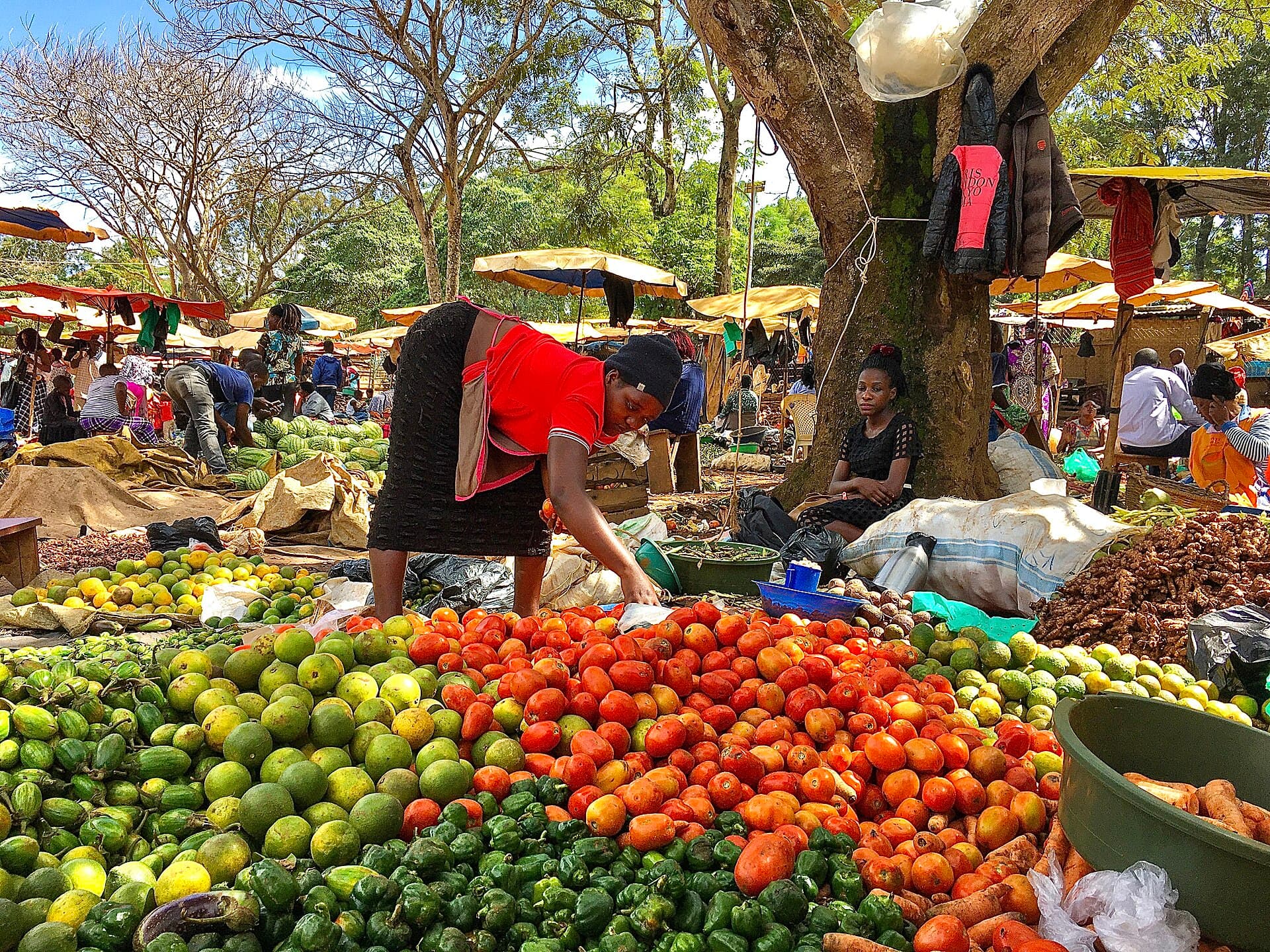
Launched by President Museveni in August 2019, Emyooga organises people by occupation into clusters including artisans, boda boda riders, market vendors, youth, women, journalists and tailors. Each cluster forms a SACCO that receives seed capital to lend to its members as a revolving fund.
Masindi District Commercial Officer Moses Kalyegira says a large share of the default problem stems from political misconceptions. Several SACCO leaders and members, he says, believed the money was a political reward or a personal donation ahead of elections. In reality, the funds were extended as a revolving loan at a subsidised annual interest rate of eight percent.
Nandinda has set up a dedicated loan recovery committee that will work with local NRM chairpersons to trace defaulters and improve oversight, a move that underlines how closely the programme has been tied to political structures.
The clusters were designed to build on the networks people already belong to through their work. In principle, a group of tailors or market vendors knows its members well, which should make it easier to judge who can repay and to apply peer pressure on those who fall behind. In practice, that social discipline appears to have been weakened wherever members saw the money as free.
“It was provided to SACCOs as a revolving loan facility at a highly subsidized annual interest rate of just eight percent.”
A wider recovery problem
Masindi is not alone. In West Nile, Uganda Radio Network reported records from the Microfinance Support Centre showing that more than Shs14 billion had been disbursed to Emyooga SACCOs in the sub-region as seed capital, while only about Shs1.54 billion had been recovered. Ronald Waiswa, the centre's zonal manager, blamed part of the poor performance on political interference.
A local banker in Masindi, James Muganya, told the Monitor that while government reports celebrate gross disbursements, there is little data on whether the institutions themselves are succeeding. The model depends entirely on repayments to replenish SACCO funds; when they stall, the entire programme's long-term viability is at risk.
Independent assessments cited by the Monitor also point to genuine business shocks, poor record-keeping and weak management skills among small enterprises that borrowed.
Muganya argues that stronger monitoring should have been in place from the start, to ensure that borrowers invested in productive enterprises rather than spending the money on household consumption.
Lessons for enterprise SACCOs
Emyooga's difficulties echo a long-standing lesson of the co-operative movement: a SACCO built around external money, rather than members' own savings, struggles to develop a culture of repayment. Members who have not saved into a fund feel less ownership of it.
Stronger SACCOs tend to share a few habits. They require members to save before they borrow, appraise each loan against a real business plan, publish loan books to members at general meetings and enforce their own bylaws on arrears. Financial literacy training before money is released, rather than after, helps borrowers understand what a revolving fund is.
Recovery drives may bring some money back, but the bigger prize is turning Emyooga's thousands of SACCOs into genuinely member-owned institutions. That requires boards elected for competence and accountable to members, not only to district officials.
There is also a timing lesson. Recovery drives launched years after disbursement are harder and more confrontational than routine follow-up from the start. SACCOs that track repayments monthly, and act early on arrears, rarely need the RDC's office to step in.
Sources & references
- Sustainability fears loom in Masindi as government moves to recover billions in Emyooga loans — Daily Monitor, 2026-06-09
- Arua struggling to recover UGX 12.4b Emyooga funds — Uganda Radio Network