From Three Wooden Chairs to Exporter: The Ankole Coffee Producers' Union Story
8 October 2024 · 4 min read
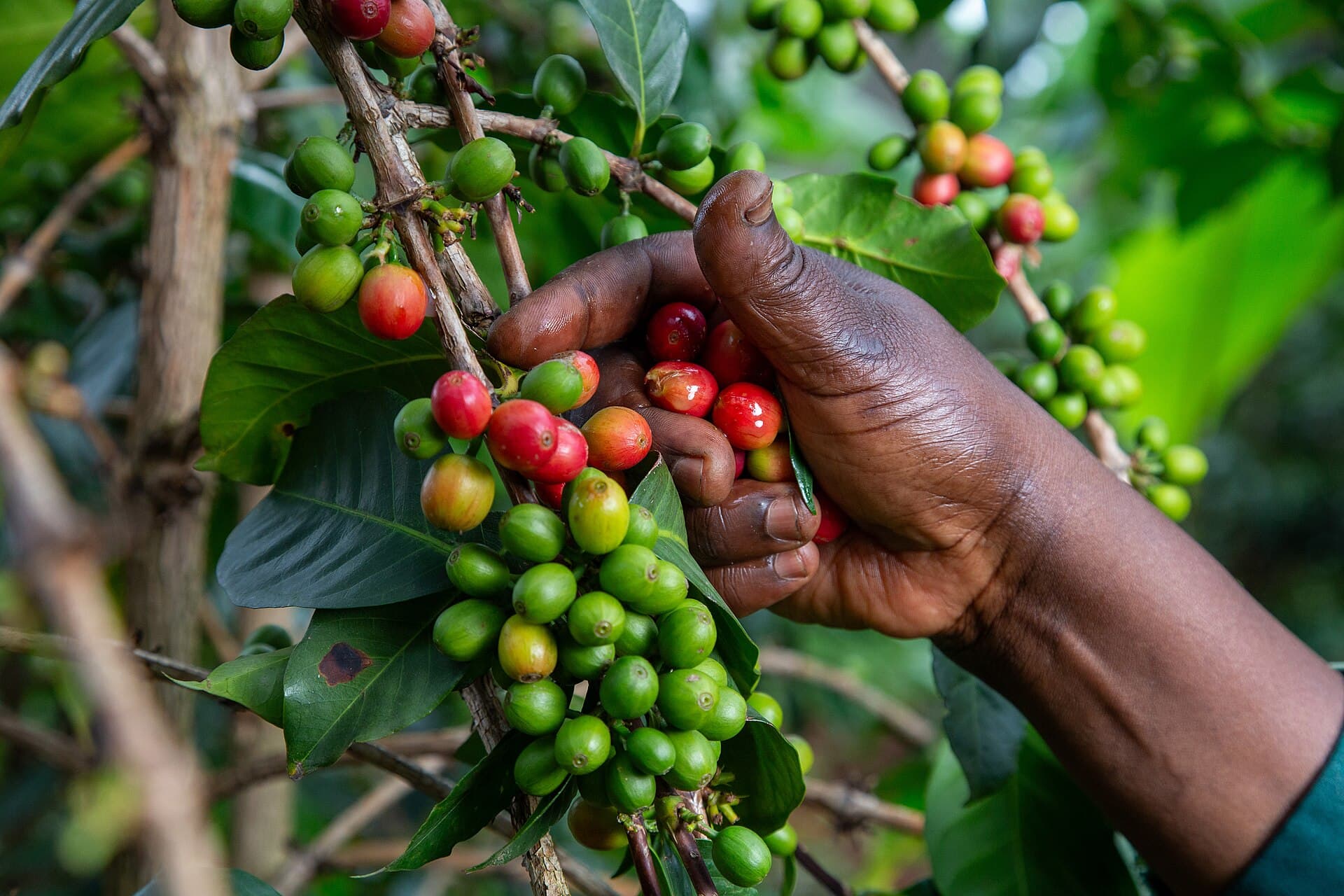
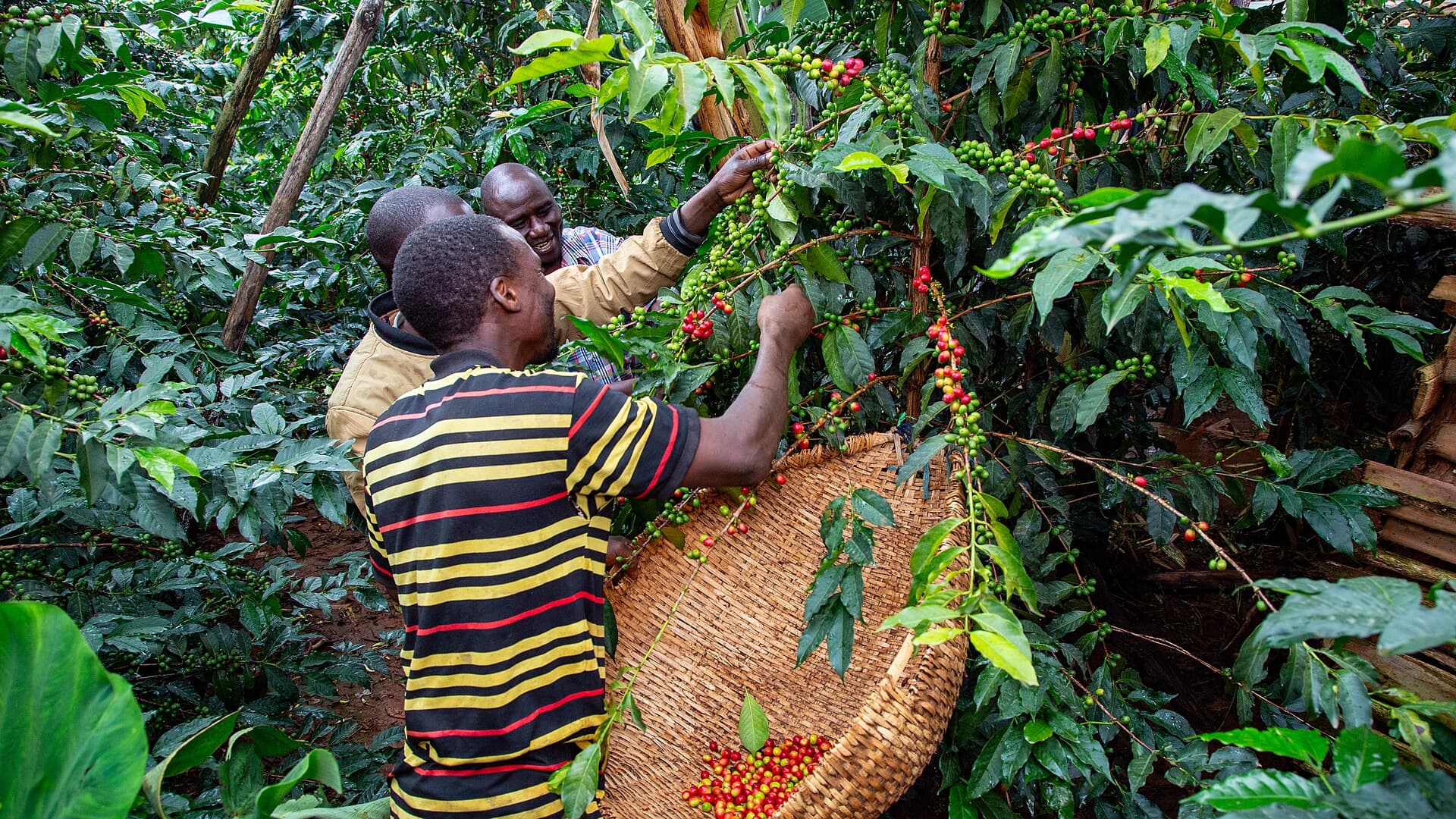
When the Ankole Coffee Producers' Cooperative Union (ACPCU) opened its doors, it had about US$700 to its name, rented premises split between an office and a store, three simple wooden chairs and two tables. Today it is an award-winning exporter of Fairtrade organic coffee from south-western Uganda, working with thousands of farmers and generating millions of dollars in sales. Its story says a great deal about what a co-operative union needs to grow.
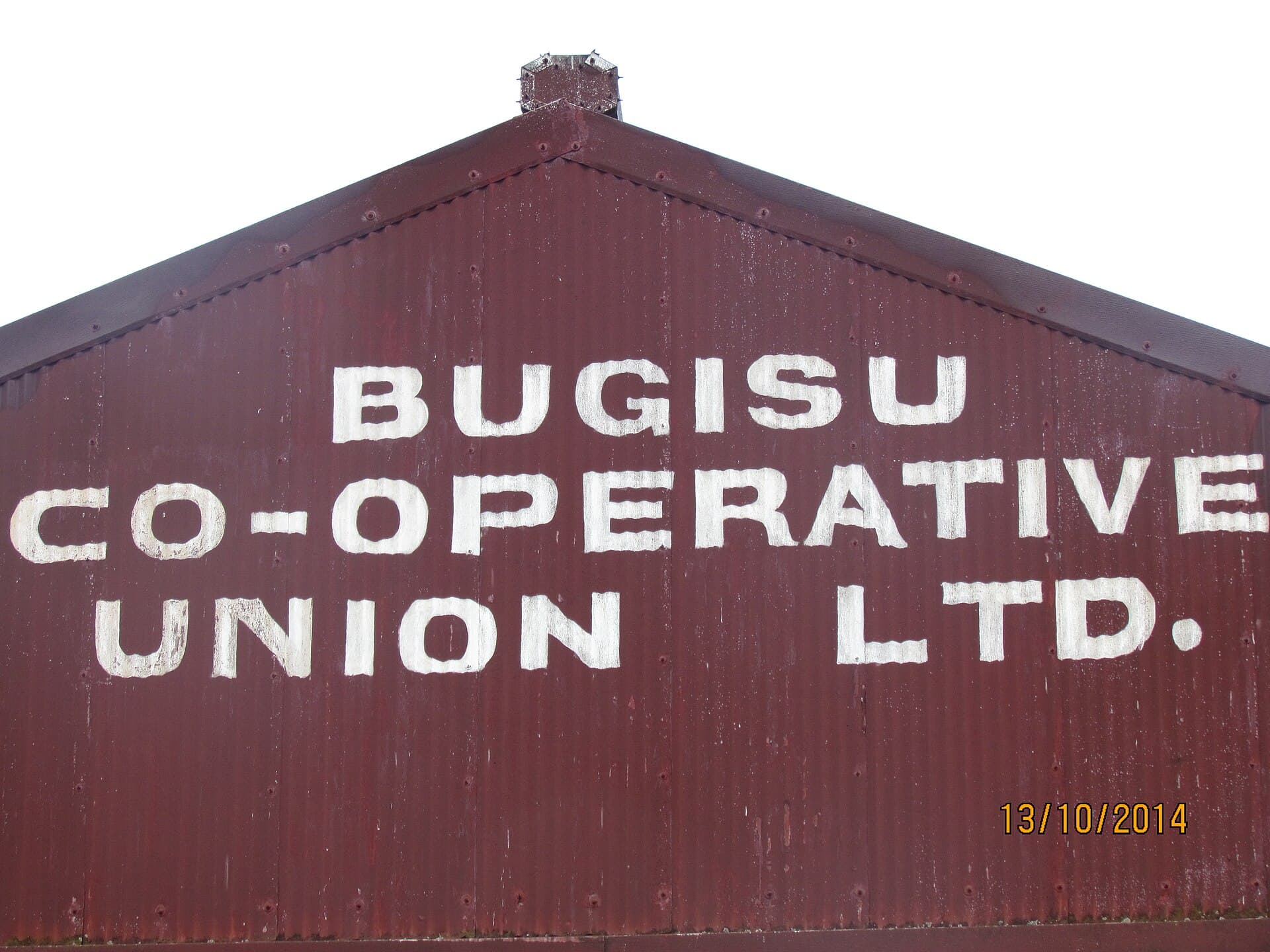
ACPCU was founded in 2006 by ten primary co-operative societies with about 3,500 farmers, according to a profile by the Agricultural Business Initiative (aBi). It is headquartered in Kabwohe and operates in Bushenyi, Sheema, Rubirizi, Mitooma, Buhweju and Ntungamo. Its members grow both Robusta and Arabica, and most are certified under Fairtrade and organic schemes.
John Nuwagaba, who joined in 2008 and has served as general manager for over fifteen years, has recalled volunteering his time until the union could afford to pay salaries.

The loan that changed things
In its early years, the union's biggest constraint was working capital. Nobody wanted to lend to a new organisation with almost no assets. In 2008, the social lender Root Capital extended ACPCU its first loan, together with training in business and operations management. According to Root Capital, that financing allowed the union to export directly and secure better prices on the international market.
aBi also supported the union's growth. Its profile notes that export volumes rose from 19 tonnes in the late 2000s to 110 containers by the first half of 2015. By 2024, Root Capital reported that ACPCU was working with over 17,000 producers, had grown its sales about fifty-fold to US$10.6 million, and had built a new processing plant. Banks that once turned it away now approach it.
Membership figures differ by source and date. aBi counts 25 primary societies with about 9,150 members, while Root Capital's larger figure refers to the producers the union works with. Both point to substantial growth from the original base.
The sequence matters. Root Capital's loan was paired with training in management and operations, and that combination, rather than the money alone, is what allowed the union's leadership to handle larger contracts and the reporting that international buyers and lenders expect. Many young unions receive one without the other and struggle as a result.
“Today, [local banks] are coming to us and asking, 'Can we lend to you?'”
What members say
The aBi profile carries the voices of members. Jessica Birungi, a farmer in Sheema who joined the Rushozi-Kwefaho Growers Cooperative Society in 2012, grew her holding from one acre to four acres of organic coffee. She described being offered a premium of UGX 2,800 per kilogramme for organic coffee and being paid in two instalments, first on delivery and again after the union sells.
Premium funds have also gone into community projects. In Nyakashambya, members point to a primary school built with premium money, alongside rehabilitated roads and shallow wells. Joram Kavundi, a retired teacher turned farmer, expanded from one acre to seven after training from an ACPCU extension worker on soil-erosion control, tree planting and record keeping. He has since bought four Friesian cows from his coffee savings.
These are the tangible returns that keep members delivering to their society rather than selling to the first trader with cash.
The two-instalment payment system is worth noting. Paying a first amount on delivery gives farmers cash when they need it, while the second payment, made after the union has sold, shares the final market price with members. It rewards loyalty to the society, but it only works when members trust that the books are honest.
Facing the climate challenge
ACPCU's farmers face long droughts, erratic rainfall and rising temperatures. Root Capital has provided agronomic training and helped the union assess its climate risks and draw up an action plan. Measures include tree nurseries, energy-efficient technology, cover crops and mulching. Union staff have been trained to use a climate vulnerability dashboard that analyses data collected from farmers.
The union also invests in training on sustainable agronomy and better coffee processing, which feeds directly into quality and therefore price. For a Fairtrade organic exporter, quality and certification are the business.
The lesson for other unions is that patient finance, management training and visible member benefits work together. ACPCU did not begin with capital; it built trust first, and the capital followed.
ACPCU's story also shows the value of patience from members. Farmers who stayed with the union through its lean early years, when it had little to offer beyond organisation and training, are now the ones benefiting from premiums, community projects and a union that lenders want to finance. For new co-operatives elsewhere in Uganda, that long view may be the hardest and most important lesson of all.
Sources & references
- Building a thriving coffee business from the ground up in Uganda — Root Capital, 2024-09
- ACPCU has given back Ankole coffee its appeal — aBi Development