Record Coffee Year: Uganda Earns US$2.4 Billion as Exports Reach 8.4 Million Bags
28 November 2025 · 4 min read
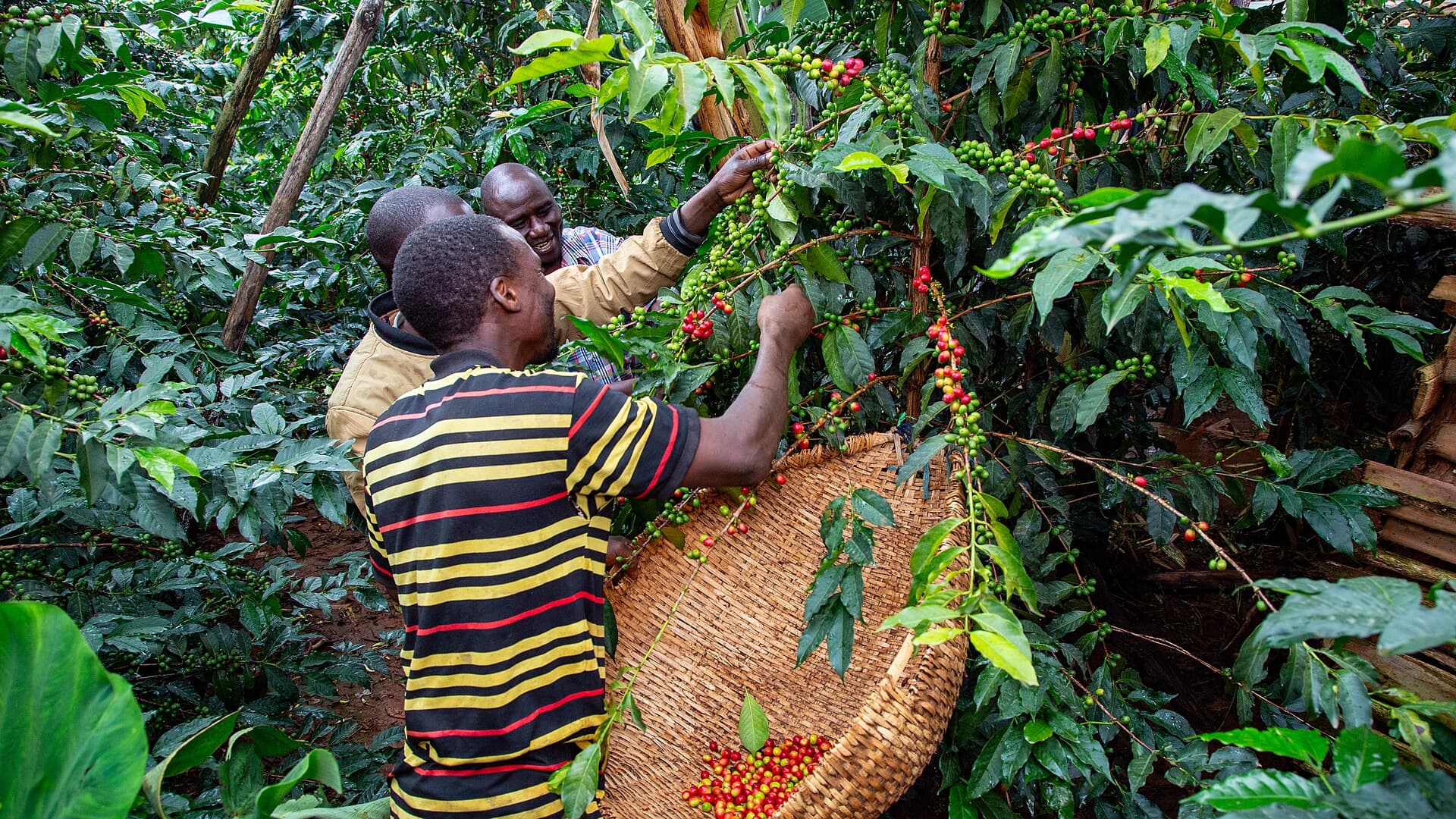
Uganda's coffee sector has just closed the most lucrative twelve months in its history. Between November 2024 and October 2025 the country shipped 8.4 million 60-kilogramme bags worth US$2.4 billion, about UGX 8.2 trillion, according to the agriculture ministry's monthly coffee report for October 2025. A year earlier, the same period brought in 5.8 million bags worth US$1.3 billion. That is a rise of about 47 percent in volume and 77 percent in value.
The numbers matter well beyond the export houses of Kampala. Coffee is grown on smallholdings across the country, and much of it moves through primary societies and co-operative unions that bulk, grade and sell on behalf of members. A year of high prices is a chance for those institutions to show their worth, or to be bypassed by traders paying cash at the farm gate.
The October report was issued by the Coffee Department of the Ministry of Agriculture, Animal Industry and Fisheries, which took over the work of the former Uganda Coffee Development Authority after the 2024 rationalisation law.
For many households in the coffee belt, the season has meant more cash than they have seen in years. That makes it a good moment for co-operative leaders to recruit new members, explain the benefits of collective marketing and show what a well-run society can deliver when prices are strong.
Robusta carries the load, Arabica surges
October 2025 alone brought in 685,720 bags worth US$185.56 million, an increase of 38 percent in quantity and 33 percent in value on October 2024. Robusta, the lowland coffee grown across central, western and parts of northern Uganda, made up 597,925 of those bags, valued at US$151.51 million.
Arabica, grown on the slopes of Mt Elgon and the Rwenzori and in parts of the south-west, was the standout. Its October volumes more than doubled year on year, up 117 percent, while its value rose 182 percent to US$34.04 million from 87,795 bags. For highland co-operatives, which have long argued that quality Arabica deserves premium prices, that jump is a strong market signal.
Earlier in the year Uganda crossed a symbolic line. In May 2025, it exported 47,606.7 tonnes of coffee against Ethiopia's 43,481 tonnes, making it Africa's leading coffee exporter that month.
Where co-operatives fit in a boom
High prices are a double-edged sword for marketing co-operatives. When world prices are rising fast, private buyers can outbid a society that pays a first instalment on delivery and a second only after the coffee is sold. Members tempted by immediate cash may side-sell, leaving the society short of volume just when it has contracts to fill.
The co-operatives that have held together tend to be those that return visible value to members. In south-western Uganda, for example, members of the Ankole Coffee Producers' Cooperative Union have described being paid in two instalments, on delivery and again after the union sells, with part of the surplus going into community projects such as schools and wells. In a year of record prices, that second payment can be substantial, provided the society's books are trusted.
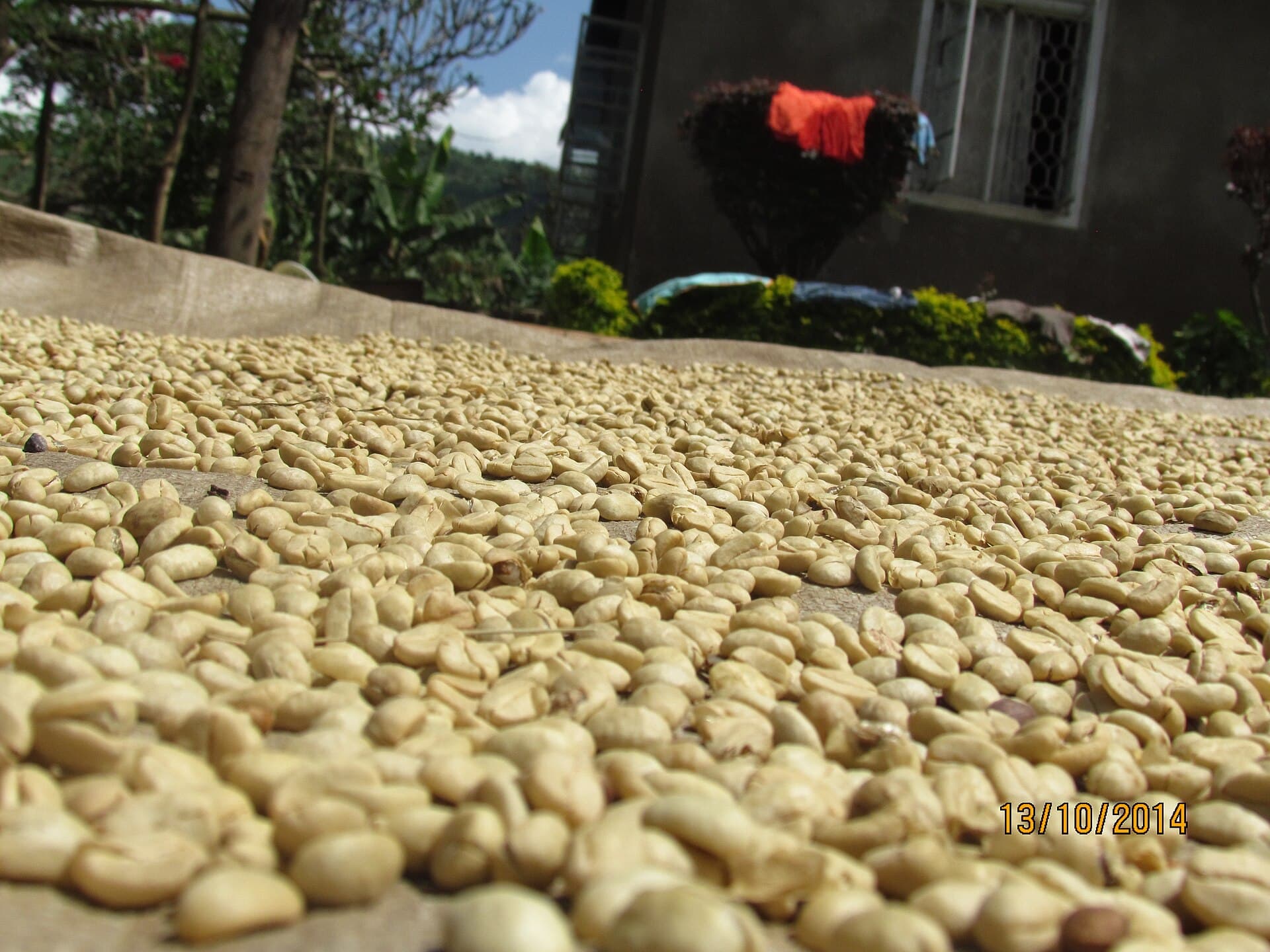
Quality is the other lever. The surge in Arabica values suggests buyers are paying for traceable, well-processed coffee. Societies that invest in drying, sorting and certification are better placed to capture that premium than individual farmers selling small lots.
Bulking also lowers costs. A society that gathers coffee from hundreds of members can negotiate transport, hulling and export logistics on better terms than any single farmer, and it can sell larger, more consistent lots that exporters and roasters prefer. In a strong market those efficiencies translate directly into a higher share of the export price for members.
Making the windfall last
No coffee cycle lasts forever, and the boom has been driven in part by strong international prices. Co-operative leaders have a chance to use good years to build reserves, repay debts, invest in processing equipment and strengthen member savings, so that unions are not caught short when prices fall again.
Transparency will also count. Members who see clear statements of what the union sold, at what price, and what it deducted are more likely to keep delivering through the next downturn. With the agriculture ministry now publishing the monthly export data, societies have a public benchmark against which members can compare the prices they receive.
Uganda's record year is a national achievement. Whether it also becomes a co-operative achievement will depend on how many farmers' organisations turn a single season's windfall into lasting institutional strength.
Finally, unions can invest some of the windfall in the next generation of trees. Ageing coffee and erratic rainfall threaten future harvests, and societies that organise seedling distribution, stumping and replanting now will be best placed to keep volumes up when the market cools.
Sources & references
- Uganda earns UGX 8.2 trillion from coffee exports in 12 months — Coffee Department, MAAIF (ugandacoffee.go.ug), 2025-11
- Uganda overtakes Ethiopia as Africa's top coffee exporter — AllAfrica, 2025-07-04
- ACPCU has given back Ankole coffee its appeal — aBi Development