Dry Spell Tests Ankole's Dairy Co-operatives as Milk Volumes Collapse
27 August 2026 · 4 min read
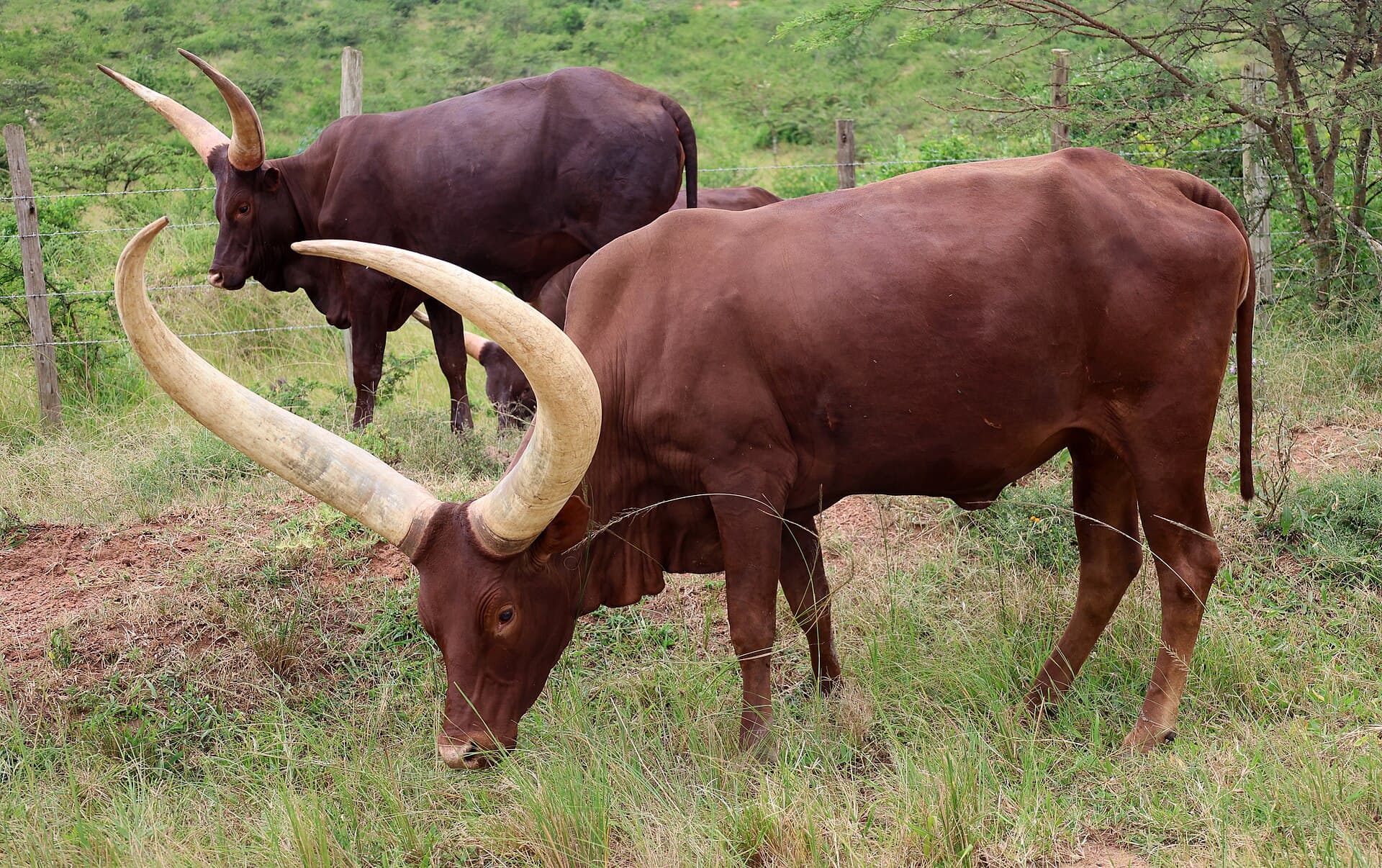
In the cattle corridor of south-western Uganda, the milk is drying up. A dry spell that began in May 2026 and was expected to end in July has stretched into August, hitting Ankole, Kigezi and parts of greater Masaka. In Mbarara City, a litre that sold for between Shs1,000 and Shs1,500 before the drought now costs Shs2,500 to Shs3,000, depending on where you buy it.
For dairy co-operatives, the problem is not price but volume. In Ntungamo, the chairperson of the Ntungamo Dairy Farmers' Cooperative Union, Emmanuel Arinaitwe, told the Daily Monitor that the farm-gate price had climbed from between Shs700 and Shs1,000 to Shs1,200 a litre, but deliveries had collapsed. Farmers who used to bring 40 to 60 litres now bring nothing, and those who delivered up to 400 litres manage about 60.
The drought followed an outbreak of foot-and-mouth disease in February, which closed livestock markets. Farmers, in Arinaitwe's words, are suffering.
The squeeze is being felt well beyond Ankole. In Masaka, raw milk was selling at between Shs2,300 and Shs2,500 a litre, while some milk points in Mpigi were charging Shs3,000. Kayunga traders reported increases from Shs2,000 to Shs2,200 since June, and cattle keepers there described animals dying for lack of water and grass.
A region that feeds the nation
South-western Uganda is the backbone of the national dairy industry. Moses Ahimbisibwe, the Principal Dairy Development Officer for the region at the Ministry of Agriculture, Animal Industry and Fisheries, said the roughly 21 districts in the region produce about 1.35 billion litres a year. In a dry season, he said, output typically drops by 40 to 50 percent.
He put the average farm-gate price at about Shs1,200 a litre, against about Shs800 in a normal season. Higher prices help farmers with milk to sell, but they do little for those whose cows are walking long distances for water and grazing on dry pasture.
Nationally, the sector had been on a strong run. Milk production rose by 37 percent, from 2.81 billion litres in 2021 to 3.85 billion litres in 2023, while the value of milk and dairy exports climbed from US$102.6 million in 2022 to US$264.5 million in 2023, according to figures reported when Uganda dispatched its first 500-tonne consignment of powdered milk to Algeria in May 2025.
“The farm-gate price has increased, but still we can't get enough volumes.”
Co-operatives caught in the middle
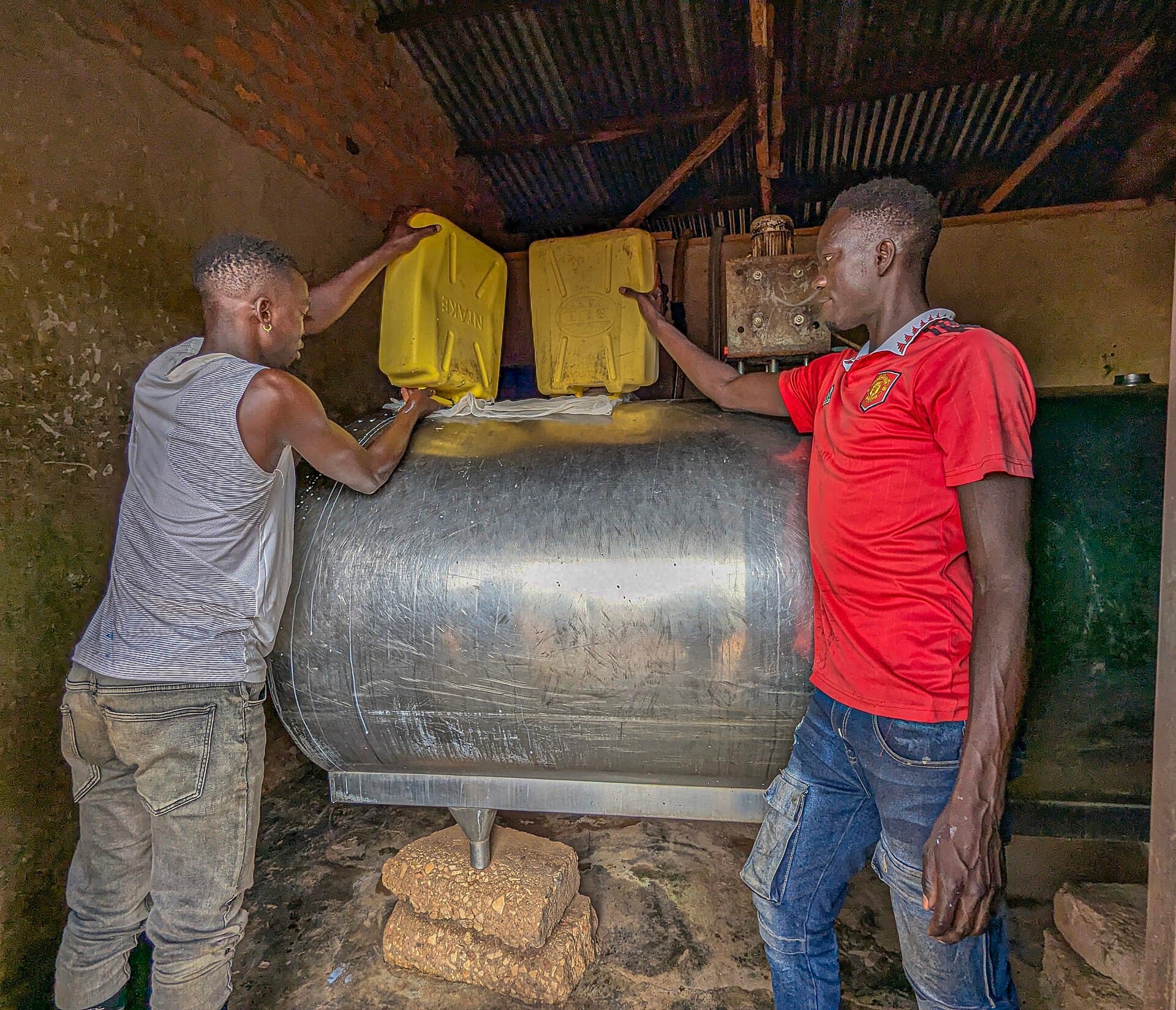
Dairy co-operatives earn their keep by bulking milk, chilling it and selling to processors or consumers. When volumes fall sharply, fixed costs stay the same. In Kabale, the manager of Kabale Tukore Dairy Cooperative Society, Agatha Tumusiime, said the society had raised its price from Shs1,800 to Shs2,000 a litre because of limited supply, and had lost about 20 percent of its daily customers as a result. Rent, electricity and other utilities, she said, had not fallen.
Private dealers face the same squeeze. A dealer at Ankole Fresh Milk Dairy in Mbarara said his intake had fallen from 600 to 700 litres to under 300, and that buyers now pay farmers in advance to book milk. That kind of competition can pull supplies away from co-operatives that pay at fixed intervals.
Input costs add to the pressure. Vendors pointed to expensive acaricides and animal drugs, which weigh more heavily when each cow is producing less.
For consumers, the price rise has come at an awkward time. Dairy managers in Kabale noted that demand was high as children were home for the holidays, just when supplies were thinnest. Milk vendors in Mbarara said they had never raised prices so far in a single season.
Building resilience for the next drought
The drought is a reminder that dairy co-operatives are exposed to climate shocks in ways a single season's prices cannot fix. Water for animals, stored fodder and disease control decide whether a herd keeps producing through the dry months.
Co-operative unions are well placed to organise collective responses such as bulk buying of feed and veterinary inputs, shared water infrastructure, and savings schemes that help members ride out lean months. They can also keep members informed about market access after disease outbreaks, when quarantines close markets.
With national export ambitions now stretching to markets as far as North Africa, the resilience of the farmers who supply Uganda's milk becomes a national concern. Strong co-operatives in the cattle corridor are part of that resilience.
Information also matters. Co-operatives that keep members informed about likely dry spells, disease outbreaks and changing farm-gate prices help them decide when to sell animals, when to buy feed and when to hold back. In a sector where weather shocks are becoming more common, that kind of collective intelligence may prove as valuable as any cooler.
Sources & references
- Dry spell cuts milk supply, pushes prices higher in Ankole, Kigezi — Daily Monitor, 2026-08-24
- Uganda sends out first milk shipment to Algeria — Pulse Uganda, 2025-05-29