Prepaying for Health: How Uganda's Health Co-operatives Reached 40,000 People
26 November 2024 · 4 min read
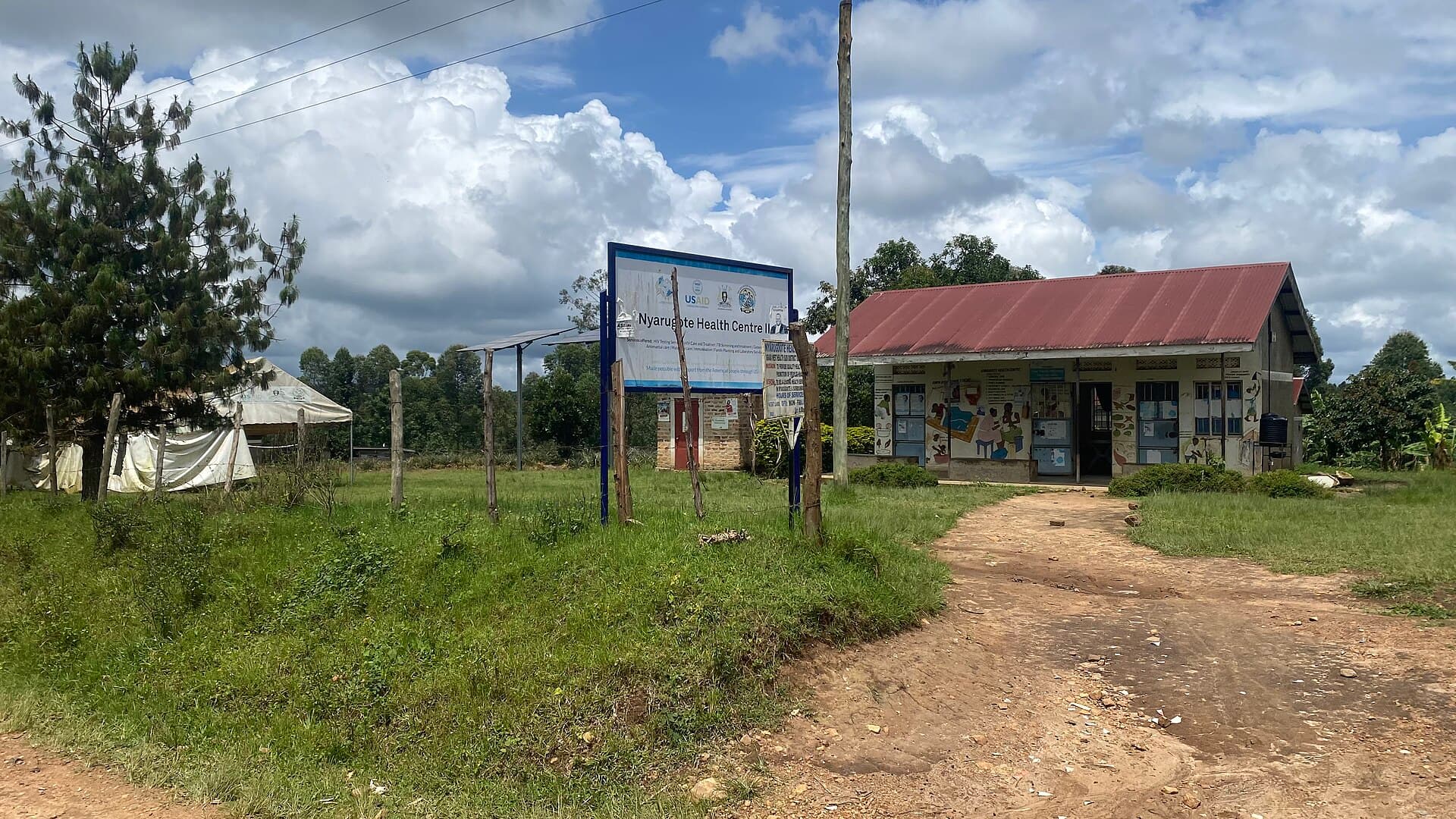
Most Ugandans pay for healthcare out of pocket, in cash, at the moment they fall sick. For the informal sector, which a final project report by the Minnesota-based co-operative HealthPartners puts at more than 80 percent of the population, conventional insurance is almost out of reach: incomes are irregular, premiums are hard to collect and benefits are hard to explain. Health co-operatives were designed to solve exactly that problem, and the latest figures suggest the model is working.
Between 2018 and 2024, the number of health providers offering affordable co-operative health insurance in Uganda grew from 27 to 69, according to the final report of HealthPartners Connect Girls Center, a USAID-funded activity that ran from 15 August 2018 to 14 August 2024. Membership grew by 58 percent, and at least 40,000 Ugandans are now covered.
The model is simple: members of a co-operative pool small, regular contributions in advance, and contracted clinics treat them when they fall ill. Risk pooling and prepayment turn unpredictable medical bills into manageable instalments.
Better value for members and clinics
The report highlights a result that might seem counter-intuitive. Between 2019 and 2023 the value of healthcare received per member rose about thirty-fold, from US$0.18 to US$5.84. Over the same period providers' surplus per member rose about twelve-fold, from US$0.09 to US$1.06. In other words, patients received more care while clinics also earned more consistent income.
Members also paid on average 41 percent less for care than non-members. Evaluations cited in the report found that co-operative members were less likely to suffer from diarrhoeal disease and malaria, and had a seven-fold increase in access to safe antenatal and delivery care, all major causes of illness and death in Uganda.
HealthPartners' own figures show why clinics sign up: care teams recover about US$6.38 per co-operative member patient, but lose about US$0.50 on each out-of-pocket patient.
These results matter for the clinics as much as for patients. A health centre that serves co-operative members receives a steadier, more predictable income than one that depends on whichever patients walk in with cash. That stability helps providers keep medicines in stock and staff on duty, which in turn makes membership more attractive.
A legal home for health co-ops
Growth has been helped by changes in law and policy. The report says the programme supported the design and inclusion of health co-operatives in the Cooperative Societies (Amendment) Act of 2020, which provides the legal foundation for their expansion. It also worked with the Ministry of Health to integrate health co-operatives into the fourth National Development Plan, the National Community Health Strategy and the Community Health Insurance Framework.
When HealthPartners started working in Uganda in 1997, there were no health co-operatives. By 2018, six had registered with the Ministry of Trade, Industry and Cooperatives, and by 2024 that number had reached 30. The report notes that all 30 had received some form of HealthPartners training, but most are now independent, and replication has become an autonomous movement.
HealthPartners' web pages give somewhat different figures, citing 29 member-owned health insurance co-operatives with 60,000 members and 70 providers. The variation reflects different dates and definitions, but all sources point to steady growth.
The programme also placed a particular focus on girls and young women aged 10 to 19. The report argues that prepaid care gave women and girls a stronger voice in healthcare decisions, because they no longer depended on male partners to find the money before seeking treatment.
Handing over to a Ugandan co-operative
The programme's former staff have now registered their own worker co-operative, Uganda HealthPartners Cooperative, to continue training and expanding health co-operatives using HealthPartners' tools and partnerships. It is a fitting outcome: a co-operative development effort that ends in a locally owned co-operative.
The model is also travelling. HealthPartners says it received a five-year, US$8 million USAID grant in October 2023 to support Kenya's health co-operative work, after Kenya's Ministry of Health sought technical advice on reaching the 73 percent of Kenyans without health insurance.
For Uganda's wider co-operative movement, health co-operatives offer a practical bridge. Farmers' societies, SACCOs and market vendors' groups already have the membership structures that make collective prepayment possible. Linking them to accredited clinics could bring affordable care to many more households.
The challenge now is sustainability without a large external funder. Co-operatives will need to keep premiums affordable, control costs, maintain good relationships with providers and keep members informed so that they renew their cover each year.
Sources & references
- A Cooperative Approach to Improving Healthcare in Uganda: HealthPartners Connect Girls Center Final Report — HealthPartners / USAID Cooperative Development Program, 2024-11-08
- HealthPartners in Uganda — HealthPartners