929 Stages, 27,870 Riders: Inside KCCA's Plan to Organise Kampala's Boda Bodas
2 March 2026 · 4 min read
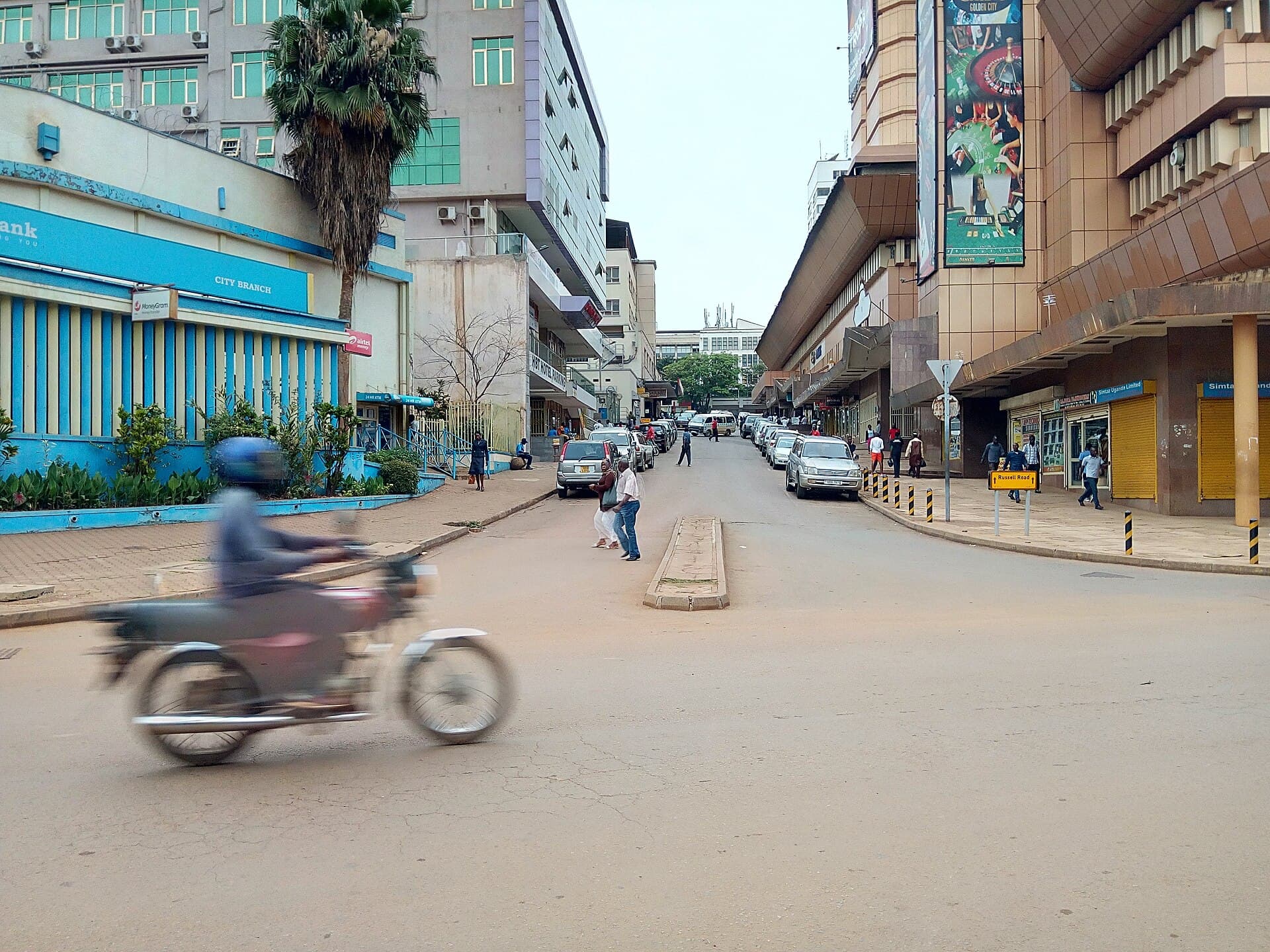
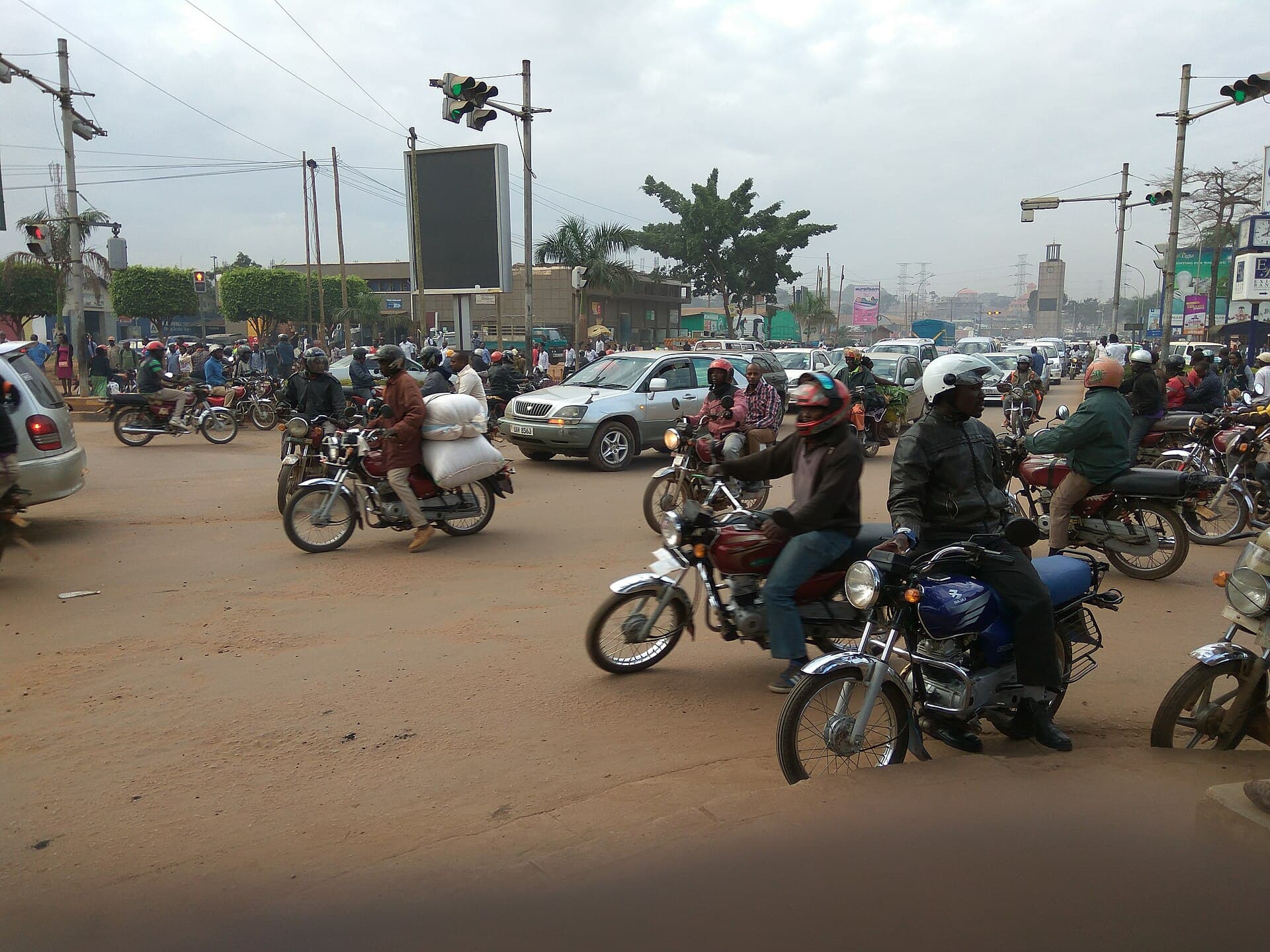
Kampala's boda boda riders are facing the most ambitious attempt yet to organise their trade. Under the Kampala City Transport Regulatory Plan being developed by the Kampala Capital City Authority (KCCA), unregistered boda bodas would be barred from the five city divisions, and motorcycles carrying passengers would be kept out of the central business district altogether.
KCCA's head of corporate and public affairs, Daniel NuweAbine, told the Daily Monitor in February 2026 that the authority would gazette 929 stages across Nakawa, Rubaga, Kawempe, Makindye and Kampala Central, and accommodate only 27,870 registered riders. About 166 stages had already been gazetted. Each stage would host about 30 boda bodas.
Riders carrying passengers into the city would stop at set points: Kitgum House for those coming along Jinja Road, the City Oil station at Wandegeya for those from Bombo, Hoima and Gayaza roads, Clock Tower for Entebbe Road and Bakuli for riders from Masaka Road, Nateete, Mengo, Rubaga and Wakaliga.
Upon enforcement, no boda boda would be allowed near banks or in non-motorised transport areas reserved for pedestrians and cyclists. Only motorcycles carrying cargo, or riding without a passenger, would be allowed within the central business district.
Registration, jackets and QR codes
State Minister for Kampala Kabuye Kyofatogabye said riders would need a valid national identity card, a rider's licence and valid credentials to register, after which they would be issued a permit. Every stage would have an established leadership committee, and so would each division.
Each rider would be given a reflector jacket carrying a QR code showing his name, stage, stage leader and division, with a different colour for each division. KCCA is also preparing a boda boda census with the divisions' physical planning departments and town clerks to establish exactly how many riders operate in the city.
Officials say the plan revives 2022 resolutions of the National Security Council to register and number boda boda riders nationwide, which had remained largely dormant.
The plan follows a directive by the Minister for Kampala Metropolitan Affairs, Minsa Kabanda, first announced on 5 February 2026, for KCCA to clear the central business district of street vendors, stage-less boda boda cyclists and motor vehicle taxis.
“We want to see an organised city; each boda boda should belong to a specific stage for easy identification.”
Mixed reactions
The plan has drawn sharp criticism from the city's elected leaders. Lord Mayor Erias Lukwago called the government directive derogatory and unworkable without a mass transport system, while his incoming successor, Ronald Balimwezo, warned against eviction without an alternative.
Rider associations are split. Frank Mawejje, chairperson of Boda Boda Kampala, said the plan would end disorganisation and create a structure extending from local stages to the national level. Dickson Mujuni of Boda Boda Industry Uganda was sceptical, noting it was not the first attempt and urging harmonisation between KCCA and riders.
KCCA says buses from Kiira Motors, commuter trains and light rail will eventually carry more passengers into the city, with boda bodas feeding the pick-up points.
Lukwago has also accused the government of failing to fund the Multi-Modal Urban Transport Master Plan for Greater Kampala, which he says envisaged buses, light rail and cable cars by 2040, with boda bodas serving as feeders at drop-off points. Mujuni, for his part, has argued that government earns substantial revenue from boda bodas through fuel and licences, and that the industry employs over three million people.
Where co-operatives come in
Organising riders by stage is, in effect, organising them into groups that already resemble co-operatives. Each stage would have a membership, an elected committee and shared rules. That is the raw material for savings groups and SACCOs that can finance motorcycles, insurance and welfare.
The risk is that the cap of 27,870 registered riders leaves many tens of thousands outside the system. A 2018 rough census by the Kampala Boda Boda Association counted 145,000 riders, and officials believe the number has grown. Riders who lose their place in the city will need clear information and alternatives.
If KCCA works with stage committees and rider SACCOs rather than around them, regulation and co-operative organisation could reinforce each other. If not, the plan risks repeating the cycle of announcements and resistance that has followed every previous attempt.
Stage committees could also become the backbone of rider welfare. A committee that collects small contributions from every rider at its stage can support members after accidents, help with hospital bills and build up savings for motorcycle replacement, the kind of mutual aid that co-operatives have always provided.
Sources & references
- New plan to end Kampala boda mess emerges — Daily Monitor, 2026-02-26